
Is Sparkling Water Bad for Your Teeth? A Dentist Explains


You swapped soft drink for sparkling water, felt good about it, then read a scary headline saying the bubbly stuff is wrecking your enamel. So which is it? Here's the short version: plain sparkling water is mildly acidic, but it's nowhere near as harmful to your teeth as soda, and for most people the occasional can is fine.
The catch is in the details. How often you drink it, whether it's flavoured, and how you sip it all change the picture. Let's sort out what actually matters and what's just a headline doing its job.
Is Sparkling Water Bad for Your Teeth?
For most healthy adults, plain sparkling water in moderation isn't going to be the main cause of tooth damage. It's slightly acidic because carbonation creates carbonic acid, and that's what gives it fizz. But "slightly acidic" and "bad for your teeth" aren't the same thing.
The concern comes down to enamel, the hard outer shell of your tooth. Enamel starts to soften, or demineralise, when the pH in your mouth drops below about 5.5. Plain sparkling water sits close to that line, so sipping it now and then does very little. Sipping it all day, every day, is a different story.
I see this pattern in practice more than people expect. Families out in Wilton and Picton get a home carbonator, it becomes the household drink, and the kids are refilling a bottle from morning to night. That constant exposure is the real risk, not the drink itself.
Why Is Sparkling Water Acidic? The pH Question
Carbonation is the reason. When carbon dioxide dissolves into water, it forms carbonic acid, which drops the pH a little below neutral. That's the whole mechanism.
Now, you'll find wildly different numbers online, and this is worth clearing up because it confuses a lot of patients. Some sources, including the Australian Dental Association, describe plain carbonated water as minimally corrosive, with a pH around 5. Other headlines quote a UK study finding sparkling waters closer to pH 3 and call them "extremely acidic". So who's right?
Both, sort of. The pH varies by product and by how much carbonation is packed in. And here's a detail almost no one mentions: home carbonators can produce water with higher carbonation, and therefore lower pH, than most bottled brands. A peer-reviewed study on carbonated water and enamel found that soda-machine water made at higher fizz levels dropped below the critical pH of 5.5 and caused more enamel softening than commercial sparkling water. So the SodaStream on your kitchen bench may be a touch harsher than the can from the shop.
The other thing that moves the needle is flavour. Plain soda water is one thing. Citrus-flavoured versions (lemon, lime, grapefruit) often carry added acids that push the pH lower still. If you're reaching for the lemon one every time, that's the one to watch.
Is Fizzy Water Worse Than Soft Drinks?
No. Not even close. This is where sparkling water earns its reputation as the better choice, and the numbers make it obvious.
The damage from a drink comes from two things: acidity (pH) and sugar. Soft drinks bring both. Plain sparkling water brings a little of the first and none of the second.
Drink | Approx. pH | Sugar | Erosion risk |
Still water (fluoridated) | 7.0 | None | Lowest, protective |
Plain sparkling water | 5–5.5 | None | Low |
Flavoured sparkling water | 3–4 | Usually none | Low to moderate |
Sports drinks | ~3 | High | High |
Cola / soft drink | ~2.4 | Very high | Highest |
For context, cola sits around pH 2.4 and orange juice around 3 to 4. Plain sparkling water is far gentler than any of them. If your choice is between a can of soft drink and a soda water, the soda water wins every time. Just don't let it replace plain tap water entirely, because fluoridated tap water actively helps protect your enamel, and sparkling water doesn't.
What Actually Stains Your Teeth? Extrinsic vs Intrinsic
Tooth stains fall into two types, and the difference decides whether you can fix them at home or whether you'll need a dentist. This is the part most articles skip, and it's the part that saves you money.
Extrinsic stains sit on the surface of the enamel. They come from pigments in coffee, tea, red wine, cola, and tobacco building up in the thin protein film on your teeth. These are the common ones, and the good news is they respond well to cleaning and whitening.
Intrinsic stains live inside the tooth, in the dentine underneath the enamel. They're caused by things like certain medications (tetracycline is the classic one), too much fluoride during childhood, tooth trauma, or the natural yellowing of dentine as you age. These don't budge with a whitening toothpaste, because the discolouration isn't on the surface you're scrubbing.
In the chair, I can usually tell them apart quickly. Surface stains you can often feel and see sitting on the enamel. Deeper discolouration that covers the whole tooth or a single darkened tooth tends to be intrinsic, and that changes the whole treatment plan.
How Do You Remove Stains From Teeth?
It depends entirely on which type you've got. Match the fix to the stain and you'll get a result. Guess wrong and you'll waste money on products that were never going to work.
For extrinsic (surface) stains, your options are:
A professional scale and clean, which polishes off most surface staining and hardened plaque that brushing can't shift
Whitening toothpaste, which uses mild abrasives to lift surface stains gradually
Professional whitening for stains that are stubborn but still surface-level
For intrinsic (internal) stains, surface methods won't do much. Because the colour sits inside the tooth, the realistic options are:
Dental bonding, where tooth-coloured material is applied over a discoloured spot, which suits smaller or single-tooth stains
Dental veneers, thin shells bonded to the front of the teeth, which cover deeper or more widespread discolouration
I'll be honest with patients about this because it matters: if you've got genuine intrinsic staining and you buy a supermarket whitening kit, you're likely to be disappointed. Whitening lifts surface and some age-related colour well. It doesn't rewrite what's happening inside the tooth. Knowing which camp you're in before you spend anything is the whole game.
How to Protect Your Enamel if You Love Fizzy Water
You don't have to give it up. You just have to be a bit smarter about how you drink it. These are the same tips I give patients across Wollondilly who aren't willing to part with their sparkling water, and fair enough.
Drink it in one sitting, not sipped over hours. Constant sipping keeps your mouth acidic all day and never lets it recover. A drink with a meal is far kinder than a bottle nursed from 9 to 5.
Use a straw. It sends the liquid past your teeth with less contact.
Rinse with plain tap water afterwards. This helps bring your mouth back to a neutral pH quickly.
Wait before you brush. After anything acidic, your enamel is temporarily softened. Brushing straight away can scrub away that softened surface. Give it 20 to 30 minutes so your saliva can re-harden the enamel first.
Pick plain over flavoured. Skip the citrus versions when you can, since they're the most acidic.
Keep plain fluoridated water as your main drink. Sparkling water is a treat, not a replacement for tap water.
None of this is dramatic. Small habits, done consistently, are what protect enamel over years.
When to See a Dentist
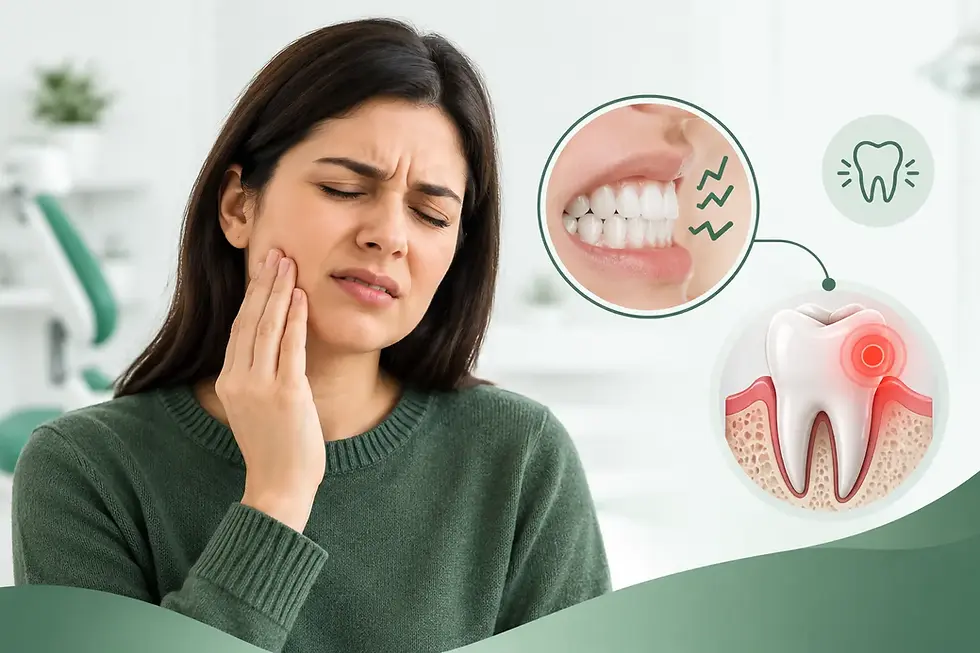
If cold or fizzy drinks are starting to give you a twinge of sensitivity, that can be an early sign your enamel is wearing thin, and it's worth getting checked before it progresses. Sensitivity is often the first thing patients notice.
Appin Dental Surgery carries on a 30+ year legacy of caring for Macarthur families through our sister practice, Bradbury Dental Surgery, and as the only QIP-accredited practice in Wollondilly Shire, a proper assessment will tell you exactly what's going on with your enamel and staining rather than leaving you to guess.
If discoloured teeth are bothering you and you want to know which whitening approach actually suits your situation, the teeth whitening options are assessed case by case, because the right treatment depends on the type of staining you have. Call us on (02) 9068 1369 or book online. You can also read more about protecting your tooth enamel and your whitening choices in our other guides.
Frequently Asked Questions
Is soda water bad for your teeth?
Plain soda water is mildly acidic but low-risk in moderation. It's far gentler on enamel than soft drinks or juice because it has no sugar and a higher pH. The main thing to avoid is sipping it constantly throughout the day.
Does sparkling water cause cavities?
Plain, unsweetened sparkling water doesn't cause cavities the way sugary drinks do, because cavities need sugar for the bacteria to feed on. Sparkling water with added sugar is a different drink entirely and does carry cavity risk. Very frequent intake of any acidic drink can still contribute to enamel erosion over time.
Can you remove stains from teeth at home?
Surface (extrinsic) stains from coffee, tea and wine often respond to whitening toothpaste and good brushing. Deeper (intrinsic) stains inside the tooth generally won't shift with home products and need a dentist's assessment. If you're not sure which type you have, that's worth checking before spending on kits.
Does whitening work on all stains?
No. Whitening works well on surface stains and some age-related yellowing, but it doesn't fix intrinsic stains caused by medication, trauma or fluorosis. Those usually need bonding or veneers to cover the discolouration instead.

Comments